
What Is a Backflow Preventer and How Does It Work?
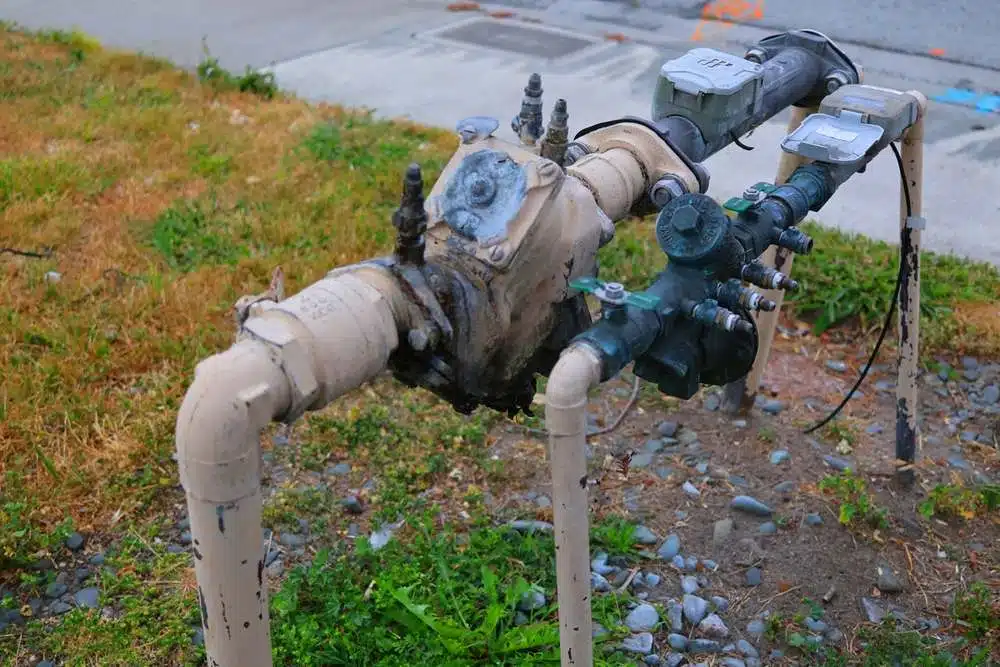
TL;DR: A backflow preventer is a plumbing device that stops contaminated water from reversing into your clean water supply. It uses check valves to maintain one-way flow and protects public health.
Key points:
- Backflow happens when pressure changes cause water to flow backward
- Backflow preventers use check valves to block reverse flow
- Required for irrigation systems, commercial properties, and cross-connections
- Annual testing is typically mandated by local codes
Your home’s plumbing system is designed to keep clean water flowing in and dirty water flowing out. But when pressure changes in the water lines, that flow can reverse, allowing contaminated water to mix with your drinking supply. That’s where a backflow preventer comes in: a simple but critical device that protects your water from dangerous contamination.
What Is Backflow Prevention?
Backflow prevention refers to the methods and devices used to stop contaminated water from reversing direction and entering your clean water supply. But, what is backflow prevention device technology at its core? It’s a system of valves and pressure controls that maintain one-way water flow, ensuring pollutants, chemicals, and waste never reach your taps.
Backflow happens in two main ways. Back-siphonage is when there’s negative pressure in the supply line, like during a water main break or when a fire hydrant is opened nearby. The vacuum created pulls water backward through the system.
Back pressure happens when the pressure on the non-potable side exceeds the pressure of the incoming clean water, forcing contaminated water to flow upstream into the drinking supply.

What Does a Backflow Preventer Do?
A backflow preventer is a plumbing device installed on your water line to block contaminated water from flowing backward into the clean water supply. It’s commonly required on irrigation systems, fire sprinkler lines, boilers, and anywhere else a cross-connection exists between potable and non-potable water sources.
The device sits near your water meter or main shutoff valve and acts as a failsafe. If pressure suddenly drops or spikes, the backflow preventer automatically closes off the contaminated side, protecting the municipal water supply from anything that might be on your property: fertilizers, bacteria, chemicals, or sewage.
How Does a Backflow Preventer Work?
So how does a backflow preventer work in practice? Most models use a series of check valves that only allow water to flow in one direction. Here’s the basic process:
- Normal flow: Clean water enters through the first check valve when system pressure is normal, passes through a chamber, and then flows through the second check valve into your property.
- Pressure change detected: If backpressure or back-siphonage occurs, the check valves sense the reversed pressure and automatically close.
- Contaminated water blocked: The dirty water is stopped from reaching the clean supply. In models with a relief valve, the contaminated water is discharged safely onto the ground or into a drain instead of reversing into the public system.
- Testing and maintenance: A test valve allows certified technicians to check the device annually to ensure it’s functioning properly.
When Do You Need a Backflow Preventer?
Whether you need a backflow preventer depends on your property type and local regulations. Commercial buildings, multi-family homes, and institutional properties almost always require them by law, along with annual inspections by certified backflow testers.
Single-family homes don’t always need a backflow preventer on the main water line, unless you have an irrigation system, pool, well, or other outdoor water connection tied into the municipal supply. In those cases, local codes typically require installation and yearly testing to ensure compliance and safety.
If you’re unsure whether your property needs one, check with your local water authority or a licensed plumber. Installing a backflow preventer isn’t just about following the rules. It’s about protecting public health and keeping your family’s water safe.
Final Thoughts
Backflow preventers are essential safety devices that protect your drinking water from contamination. Whether you’re installing a new irrigation system, upgrading your plumbing, or simply ensuring your existing backflow preventer is working properly, professional installation and annual testing are critical.
Three Way Plumbing has been serving the Charlotte area for over 20 years with expert backflow preventer installation, testing, and repair services. Our certified technicians ensure your device meets local codes and keeps your water supply safe.
Call us today at 704-610-2646 to schedule your backflow preventer service or annual inspection.
why choose three way plumbing?
With over 25 years of experience as a trusted plumber in Charlotte, NC and surrounding areas, we have proven our ability to provide fast, high-quality plumbing repair, replacement, and Charlotte water filtration and installation service.
Our friendly team members are dedicated to getting to the root of your problem, not merely a quick fix. Expect upfront, transparent, and respectful services from start to finish.
Contact the Good Guys today at Three Way Plumbing for help regarding water filtration system installation.
- Regular Saturday Appointments
- 100% Guarantee
- 30 Minute Call-Ahead
- WAREHOUSE ON WHEELS
- Honest Pricing