
Main Sewer Line Clog in NC: Early Signs and What to Do
TL;DR:
Your main sewer line carries all waste from your home to the city sewer or septic system. When it clogs, you’ll face serious backups that can flood your home with sewage.
- Listen for bubbling or gurgling sounds from toilets and drains
- Watch for unusually green grass patches in your yard
- Never pour grease down any drains
- Install a cleanout cap for emergency access
- Schedule regular camera inspections to catch problems early
____________________________________________________________________________
Your main sewer line carries all waste from your home to either your septic system or the city sewer. This underground pipeline is significantly larger than the drain lines inside your house, which means it doesn’t back up without good reason. When problems do arise, they’re usually serious and require immediate attention.
The main sewer line handles everything from toilet flushes to shower water to washing machine drainage. Without clear flow through this essential system, you’ll face messy backups that can flood your home with sewage. Understanding the warning signs and causes can save you thousands in cleanup costs.
Main Sewer Line Clog Symptoms
Seeing the early warning signs of a main sewer line clog can prevent a complete disaster in your home. These symptoms often start subtle but quickly escalate if you don’t address them promptly.
Bubbling or Gurgling
The first sign you’ll notice is bubbling or gurgling sounds coming from your toilet or tub drain, typically in the first bathroom where the main line enters your home. These sounds happen when you use water anywhere else in the house—whether you’re running the dishwasher, taking a shower upstairs, or washing clothes.
Many homeowners miss this early warning because the affected bathroom door stays closed when not in use. You won’t hear the gurgling unless you’re specifically listening for it. Once the pipe becomes more restricted, the biggest indicator shows up during laundry day.
When your washing machine hits the spin cycle, all that dirty water rushes down the drain and hits the clogged area. There’s too much water trying to flow at once, so it comes back up through the first drain.
Another early sign is water pooling around the base of your toilet. This happens when the wax seal breaks and sewage seeps out before enough pressure builds to cause a full backup.
Patches of Abnormally Green Grass
Sometimes you’ll spot the problem in your yard before it affects your indoor plumbing. Look for areas where the grass grows unusually green or sections that stay moist even during dry spells. These patches often indicate a break in your main sewer line underground.
When sewage leaks from damaged pipes, it acts as fertilizer for your lawn. The extra nutrients and constant moisture create these telltale green patches that stand out from the rest of your yard.
What Causes Clogs in the Main Sewer Line?
There are many factors that can cause a clogged main sewer line but these are the ones we see most often.
- Root penetration
- Ground settling
- Grease buildup
Let’s discuss.
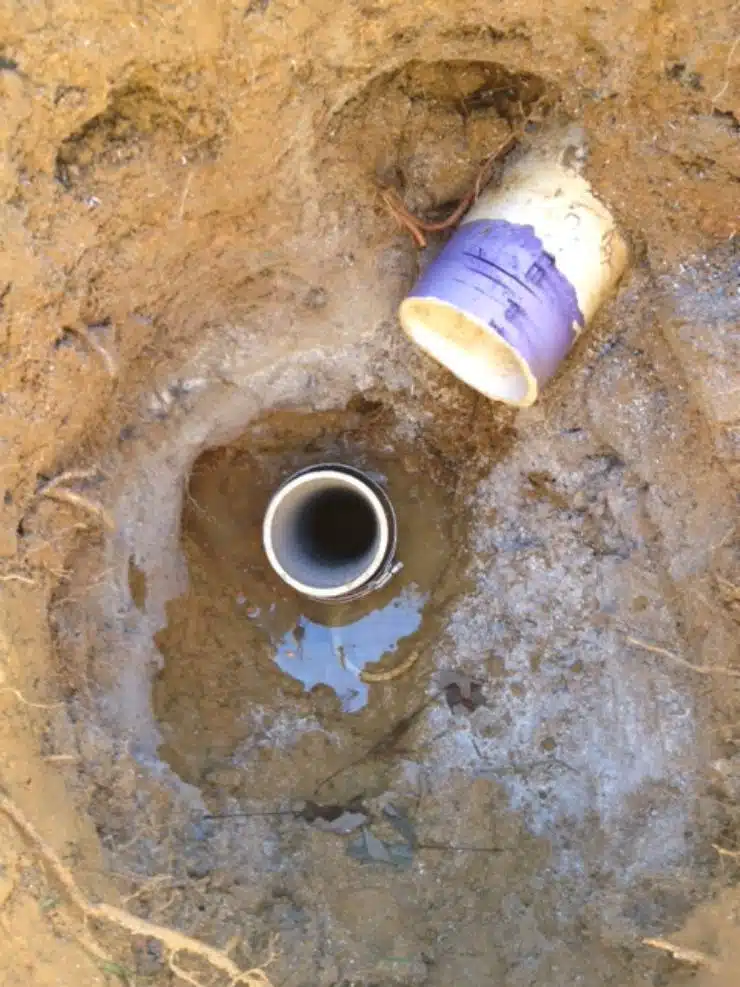
Root penetration ranks as one of the most common culprits. Tree roots grow underground seeking water sources, and over time, the glue holding pipe joints together dries out. Roots push through these weakened connections just like they push through soil. Once inside your pipes, roots continue growing and branching out, reducing the pipe’s diameter. Toilet paper, grease, and other debris get caught on these roots, making the opening even smaller.
Ground settling can create “bellies” or low spots in your main sewer line where waste and water collect instead of flowing freely. These areas become collection points for debris and eventually cause complete blockages.
Grease buildup combined with hair, toilet paper, and soap scum creates another common problem. Grease hardens inside pipes and catches other materials, gradually reducing flow until you have a complete blockage.
Sometimes the cleanout cap—that access point to your main sewer line—gets damaged by lawnmower hits or other impacts. When it cracks at the base where it connects to the main line, dirt and debris can enter your system and cause clogs.
Preventing Main Line Sewer Clogs
Prevention costs a lot less than emergency repairs and cleanup. Taking these steps can keep your main sewer line flowing freely for years.
Never Pour Grease Down the Drain
Grease might seem harmless when it’s hot and liquid, but it solidifies as it cools in your pipes. This creates a sticky trap for other debris and gradually builds up until you have a serious blockage. Instead, let grease cool in a container and throw it in the trash.
Don’t put anything down your drains that swells up—rice and pasta can expand and create clogs. Feminine products, Q-tips, and other foreign objects should go in the garbage, not down your drains.
Install a Cleanout Cap
Every homeowner should know where their cleanout cap is located. If you don’t have one, get one installed immediately. This simple addition can be a lifesaver during a backup. When sewage starts backing up into your home, you can remove the cap and let it flow into your yard temporarily instead of flooding your floors.
If you notice a toilet overflowing that wasn’t being used while your washing machine is running, turn off the washer immediately. Never run your washing machine and leave home—stay nearby to catch problems early.
Pay Attention to Tree Roots
Schedule regular camera inspections of your main sewer line to catch roots before they bust into your main line. We have specialized cameras that perform like a colonoscopy for your pipes, showing exactly what’s happening under your yard. Without a camera inspection, any drain cleaning you do is essentially blind work that only temporarily restores flow without addressing the root cause.
Main sewer line problems don’t develop overnight. Regular inspections help you prepare for issues and prevent the mess that comes with emergency backups. This is why we offer a Maintenance Agreement Plan with annual sewer line camera inspections and cleanouts!
Final Thoughts
If your main sewer line keeps clogging, don’t ignore the problem hoping it’ll resolve itself. The issue will only get worse and more expensive to fix. We always see a surge in main sewer line backups in NC during late fall as roots that have grown all spring and summer combine with increased water usage from holiday cooking, cleaning, and guests.
Remember that most plumbing companies don’t carry cameras on every truck, so they can’t identify the actual cause of your problem. This is why you need Three Way Plumbing! Give us a call or schedule online today, don’t wait until the concern becomes a problem!
why choose three way plumbing?
With over 25 years of experience as a trusted plumber in Charlotte, NC and surrounding areas, we have proven our ability to provide fast, high-quality plumbing repair, replacement, and Charlotte water filtration and installation service.
Our friendly team members are dedicated to getting to the root of your problem, not merely a quick fix. Expect upfront, transparent, and respectful services from start to finish.
Contact the Good Guys today at Three Way Plumbing for help regarding water filtration system installation.
- Regular Saturday Appointments
- 100% Guarantee
- 30 Minute Call-Ahead
- WAREHOUSE ON WHEELS
- Honest Pricing